



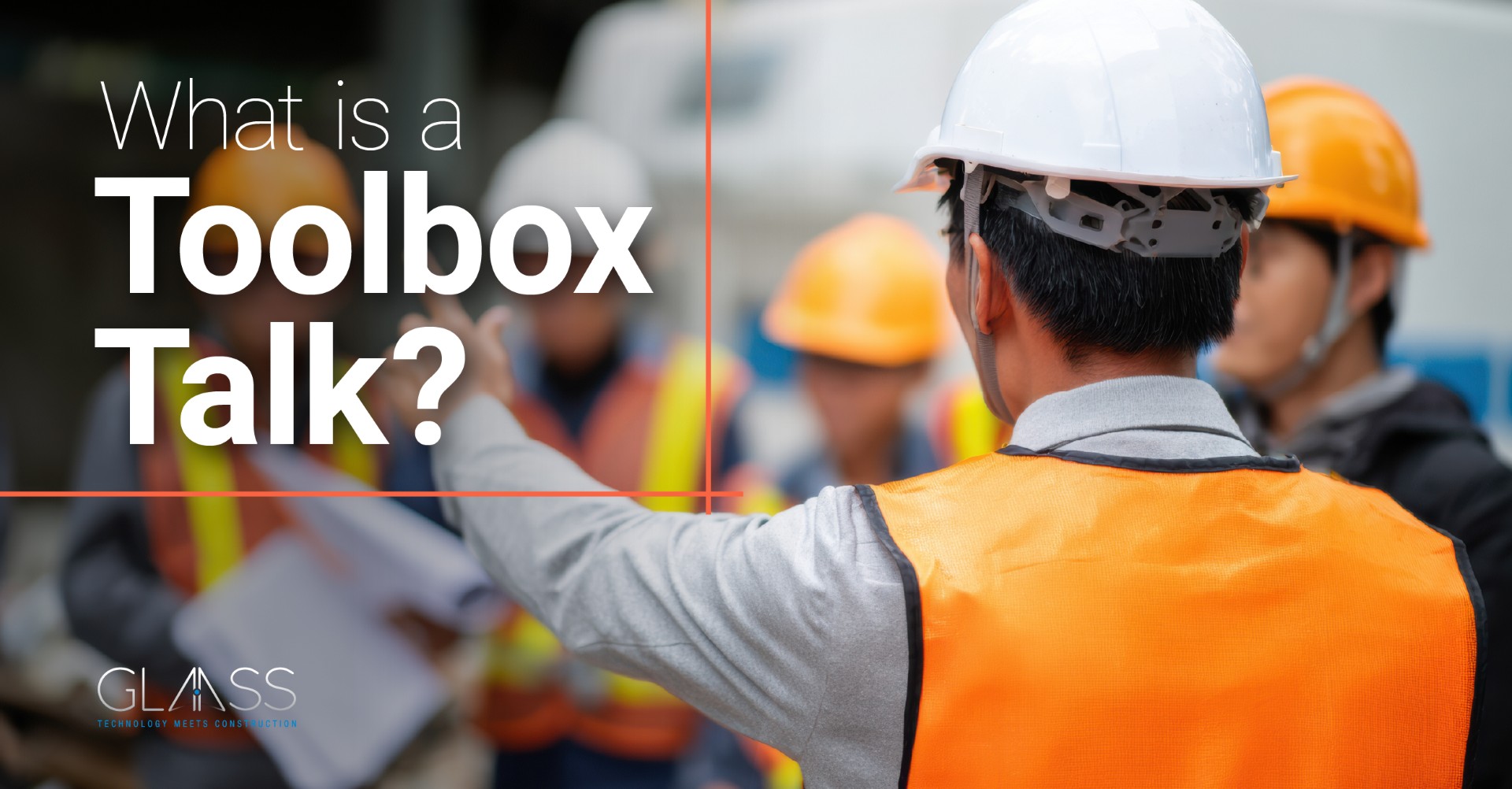
A Toolbox Talk is a short, focused safety meeting held on-site to discuss specific hazards, safe work practices, and risk controls before starting a task. These talks are an essential part of proactive safety management, helping teams stay informed, engaged, and aligned on health and safety requirements.
Unlike formal training sessions, toolbox talks are informal, practical, and delivered at the worksite, often at the start of a shift or before high-risk activities. They typically last 5–15 minutes and aim to refresh knowledge, address immediate risks, and encourage open communication.
Why Are Toolbox Talks Important?
Toolbox talks play a critical role in:
- Preventing incidents: By identifying hazards before work begins.
- Reinforcing safety culture: Keeping safety front-of-mind for all team members.
- Meeting compliance requirements: Many projects and regulators mandate regular safety briefings.
- Improving communication: Encouraging workers to raise concerns and share observations.
- Reducing downtime: Addressing risks early avoids costly delays and injuries.
What Should a Toolbox Talk Include?
A well-structured toolbox talk should cover:
- Topic of the day: Focus on a relevant hazard or procedure (e.g., working at height, manual handling, electrical safety).
- Scope of work: Outline the tasks planned for the day and any associated risks.
- Hazard identification: Discuss potential hazards and how they can be controlled.
- Control measures: Review PPE requirements, permits, and safe work methods.
- Emergency procedures: Remind workers of site-specific emergency contacts and evacuation routes.
- Questions and feedback: Encourage participation and clarify any uncertainties.
Real-World Example: On a tunnelling project, a toolbox talk before excavation might include:
- Reviewing confined space hazards and ventilation requirements.
- Confirming gas monitoring equipment is calibrated and operational.
- Discussing emergency rescue procedures.
- Checking that all workers have the correct PPE and permits.
This quick discussion ensures everyone understands the risks and how to mitigate them before work begins.
Best Practices for Effective Toolbox Talks
- Keep it short and focused.
- Use real examples and site-specific scenarios.
- Encourage interaction rather than a one-way lecture.
- Document attendance and key discussion points for compliance.
- Schedule talks regularly and adapt topics to current site conditions.
How Glaass Supports Toolbox Talks
At Glaass, toolbox talks are digitised to make safety communication easier and more traceable. Our platform allows teams to:
- Create and customise toolbox talk templates.
- Record attendance digitally for compliance.
- Attach photos, documents, and safety observations.
- Share topics across teams for consistency.
- Generate reports for audits and client reviews.
By moving toolbox talks online, Glaass helps projects maintain a strong safety culture while reducing paperwork and improving accountability.