

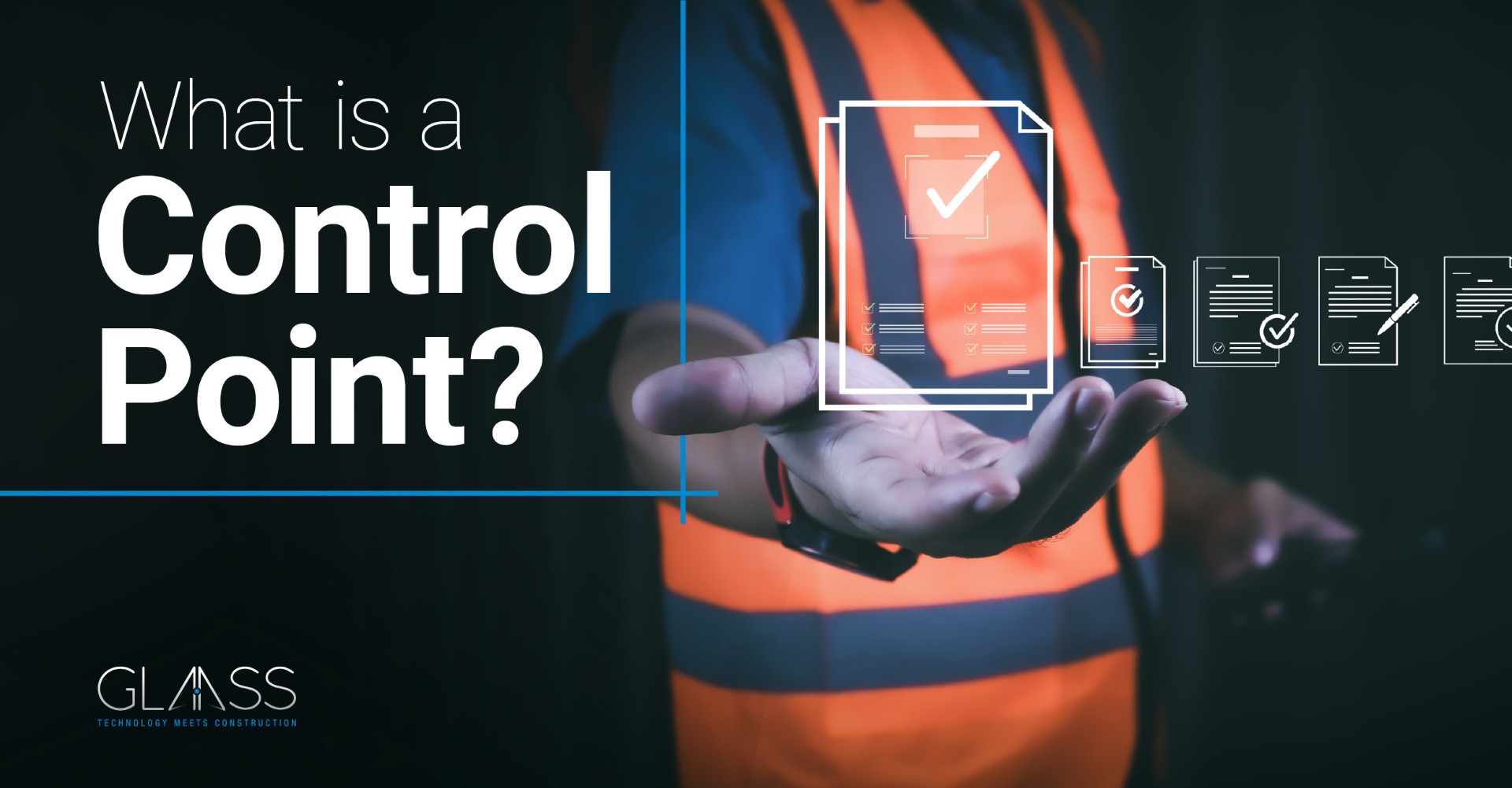
Control points are typically categorised into:
- Hold Points: Work cannot proceed until the inspection or approval at this point is completed. Example: Before pouring concrete, the formwork and reinforcement must be inspected and signed off.
- Witness Points: The client or quality representative is invited to witness the inspection but work can proceed if they are unavailable. Example: Observing a pressure test on a pipeline.
- Review Points: Documents or records are reviewed for compliance, often off-site or after the activity. Example: Reviewing welding certificates before fabrication begins.
- Surveillance Points: Ongoing monitoring during the activity to ensure compliance. Example: Continuous observation during asphalt compaction.
Why Are Control Points Important?
Control points ensure:
- Quality assurance: Each stage meets project specifications before progressing.
- Compliance: Demonstrates adherence to contractual and regulatory requirements.
- Traceability: Links inspections to specific lots, materials, and personnel.
- Risk reduction: Identifies issues early, avoiding costly rework.
- Progressive handover: Facilitates staged approvals for smoother project close-out.
Real-World Example: On a rail infrastructure project, an ITP for track installation might include:
- Hold Point: Inspect ballast depth and alignment before laying sleepers.
- Witness Point: Observe torque testing on rail fasteners.
- Review Point: Verify calibration certificates for torque wrenches.
- Surveillance Point: Monitor welding during rail joint installation.
These control points ensure that every step is documented, approved, and compliant before moving forward.
How Control Points Work with Lots and ITPs
Each lot (a defined portion of work) is linked to an ITP that specifies control points. For example:
- Lot: Concrete pour for Pier 3
- ITP: Includes hold points for formwork inspection, witness points for slump testing, and review points for material certificates.
This structured approach ensures that quality checks are embedded in the workflow, not left until the end.
How Glaass Supports Control Points
Glaass digitises control point management to make compliance easier and more transparent. Our platform allows teams to:
- Define hold, witness, review, and surveillance points within ITPs.
- Link control points to specific lots and inspection records.
- Track approvals in real time with digital sign-offs.
- Attach photos, certificates, and comments to each control point.
- Generate audit-ready reports for clients and regulators.
By integrating control points into a centralised digital system, Glaass helps projects maintain quality, reduce risk, and deliver on time.