


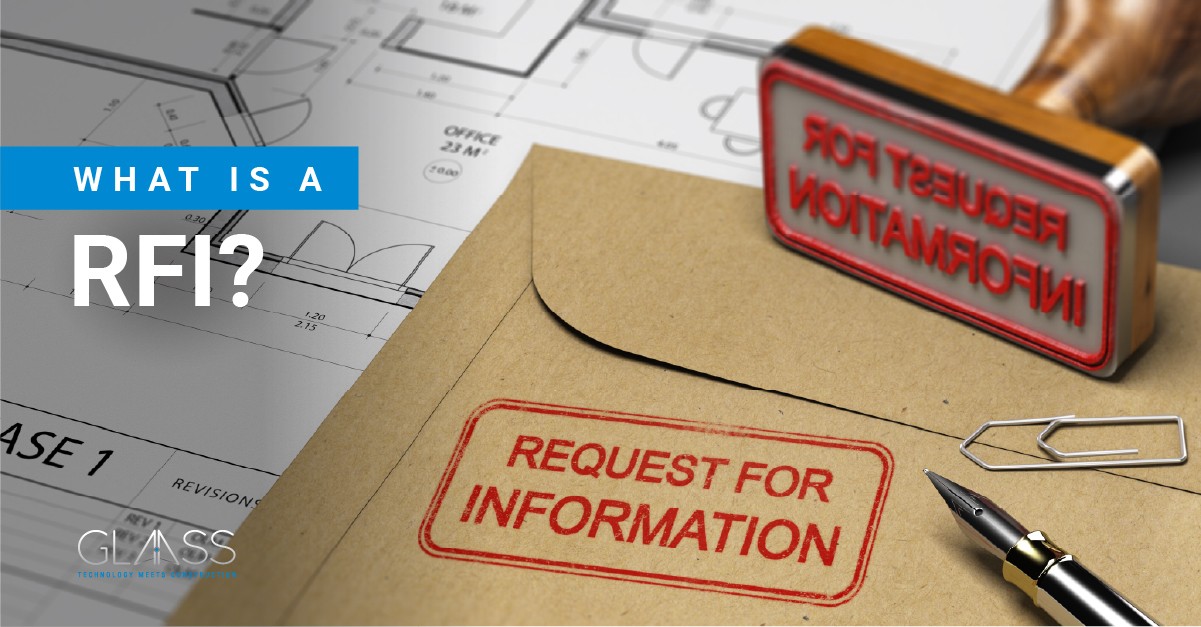
An RFI (Request for Information) is a formal communication tool used on construction and infrastructure projects to clarify design, documentation, scope, or site conditions when information is unclear, missing, or conflicting.
RFIs are a core part of project delivery and are used to ensure work is carried out in line with the designer’s intent, contractual requirements, and approved documentation. When managed properly, RFIs reduce assumptions, prevent rework, and protect both program and cost.
In practical terms, RFIs provide a controlled, traceable way to ask questions and receive formal responses before proceeding with work.
What Is an RFI in Construction?
An RFI is raised when a contractor, subcontractor, or consultant requires clarification to proceed safely or correctly.
RFIs are commonly used to clarify:
- Design details
- Dimensional conflicts
- Specification requirements
- Scope boundaries
- Constructability issues
Rather than making assumptions onsite, RFIs ensure decisions are documented and agreed.
When Are RFIs Typically Raised?
RFIs are raised throughout the project lifecycle, including:
- During construction planning
- Prior to commencing work
- When conflicts are identified onsite
- When documentation is incomplete or ambiguous
Early and clear RFIs help avoid delays and downstream defects.
What Does a Good RFI Include?
1. RFI Description – Clearly explains:
- What the issue is
- Where it occurs
- Why clarification is required
The goal is to make the question easy to understand and respond to.
2. Reference Information – RFIs should reference relevant documentation, such as:
- Drawing numbers and revisions
- Specification sections
- Design details or schedules
This provides context and avoids misinterpretation.
3. Proposed Solution (Where Applicable) – In many cases, the contractor may propose a solution or option for consideration. This can help:
- Speed up responses
- Demonstrate constructability thinking
- Reduce back‑and‑forth communication
4. Required Response – RFIs typically identify:
- Who the response is required from
- When the response is needed
This helps manage program impacts.
Why RFIs Are Important on Construction Projects
RFIs play a critical role in quality, risk, and commercial management.
- Prevent Assumptions and Errors: RFIs ensure work is based on confirmed information rather than assumptions made under pressure.
- Reduce Rework and Defects: Clarifying details before construction prevents incorrect installation and later rectification.
- Protect Program and Cost: Timely RFIs help avoid delays caused by uncertainty or re‑doing work.
- Provide a Clear Audit Trail: RFIs create a documented record of questions, responses, and decisions, which is critical for claims and dispute avoidance.
- Improve Communication Between Parties: RFIs provide a structured channel for communication between contractors, designers, and clients.
Real‑World Examples of RFIs
Common RFIs raised on construction projects include:
- Clarification of conflicting dimensions between drawings
- Confirmation of reinforcement details not shown clearly
- Approval of alternative materials or methods
- Resolution of clashes between services
- Confirmation of finish levels or tolerances
RFIs vs Site Instructions
While related, RFIs and Site Instructions serve different purposes:
- RFIs ask questions and seek clarification
- Site Instructions direct changes or actions
An RFI response may lead to a Site Instruction or design revision.
Managing RFIs Effectively
Best practice RFI management includes:
- Raising RFIs early
- Keeping questions clear and specific
- Tracking response times
- Linking RFIs to drawings, changes, or instructions
- Closing RFIs once resolved
Poor RFI management often leads to delays, frustration, and disputes.
Digital RFI Management in Glaass
In Glaass, RFIs are managed through structured digital workflows built for construction teams.
Teams can:
- Raise RFIs onsite or in the office
- Attach drawings, photos, and markups
- Assign RFIs to consultants or clients
- Track status and response timeframes
- Maintain a complete RFI register
- Link RFIs to variations, defects, or site instructions
Digitising RFIs improves visibility, accountability, and response efficiency across the project team.
Final Thoughts
RFIs are not a sign of poor documentation. They are a necessary and valuable part of construction delivery.
When managed well, RFIs:
- Improve build quality
- Reduce risk
- Protect program certainty
- Strengthen collaboration
Rather than slowing projects down, clear and timely RFIs help teams build with confidence and clarity.